



Aviationa2z: 11 Leading Airports in the World by Customer Experience in 2025 by WTA
29 January 2026 - Aviationa2z
Customer experience has quietly become the defining battleground for the world’s leading airports. In 2025, excellence is no longer measured purely by size, connectivity, or architectural ambition, but by how smoothly, calmly, and intuitively passengers are guided through every stage of their journey. From the first kerbside interaction to the final boarding call, airports are expected to reduce friction, anticipate needs, and deliver moments of genuine comfort.
The World Travel Awards’ Leading Airports for Customer Experience in 2025 recognise airports that consistently place the passenger at the centre of their operations. These hubs stand out for their balance of efficiency and warmth, blending smart technology with human service, thoughtful design with cultural character. Collectively, they represent the global benchmark for what modern airport hospitality should feel like.
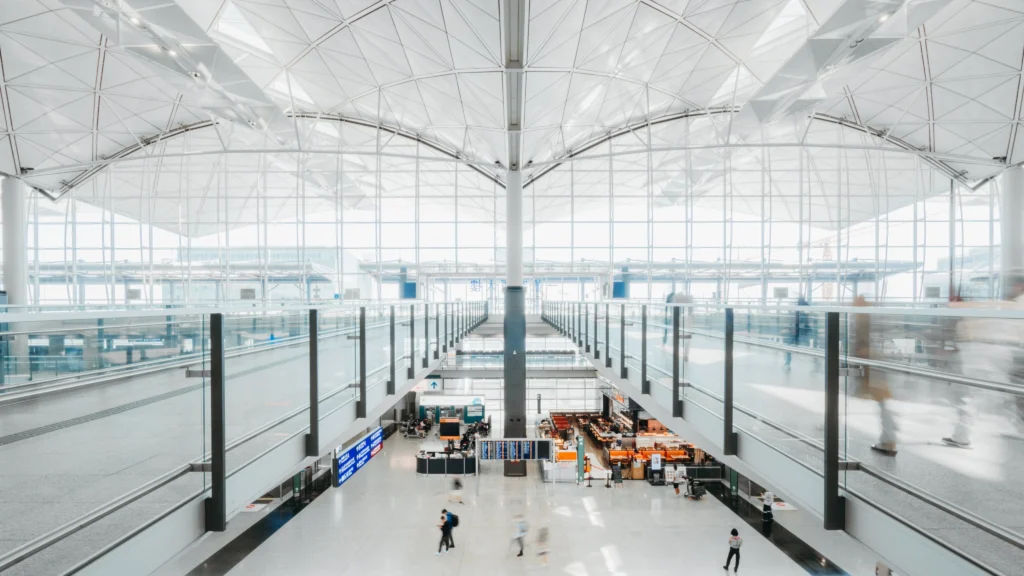 Photo: Hong Kong International Airport
1. Winner: Hong Kong International Airport
Hong Kong International Airport stands atop the World Travel Awards rankings of the world’s leading airports in 2025 by customer experience. Known for its efficiency and on-time performance, the Cathay Pacific hub seamlessly connects Asia’s major cities with Europe, Oceania, and North America with a vast network of airlines.
Check-in, immigration, and security checks are a breeze at this airport, whereas its modern design makes lounges, gates, dining areas, and shops easily accessible from one another. With its satellite terminal 2 set to open very soon, Hong Kong International Airport will enter a new era and look to continue its dominance in customer experience throughout 2026.
 Photo: Kristina D.C. Hoeppner | Flickr
2. Auckland Airport
Auckland Airport continues to impress with a customer experience that feels calm, personal, and distinctly New Zealand in spirit. Despite handling growing international traffic, the airport retains an unhurried atmosphere, helped by clear wayfinding, intuitive terminal layouts, and consistently polite staff.
Security and immigration processes are efficient without feeling rushed, striking a balance that many larger hubs struggle to achieve.
Retail and dining options lean heavily on local brands, giving passengers a strong sense of place rather than a generic airport feel. Comfortable seating zones, natural light, and thoughtful art installations help ease long layovers.
Ground transport links into Auckland are straightforward, with buses, taxis, and rideshare options clearly organised. Overall, Auckland Airport delivers a quietly confident experience that prioritises passenger comfort over spectacle.
 Photo: Cancun Airport
3. Cancun International Airport
Cancún International Airport plays a critical role as the gateway to one of the world’s busiest leisure destinations, and in 2025, it continues to refine an experience tailored to holiday travellers. Despite heavy volumes, terminal operations are increasingly streamlined, with improved signage and better crowd flow helping reduce stress during peak periods.
Customer service staff are visible and approachable, particularly for international arrivals unfamiliar with local procedures. Retail and dining focus on fast, accessible options, while recent terminal upgrades have improved seating availability and climate comfort.
Ground transport connectivity is well organised, with clear separation between tour operators, taxis, and private transfers. For many passengers, Cancún Airport sets the tone for their entire trip, and its efforts to smooth first impressions are clearly paying off.
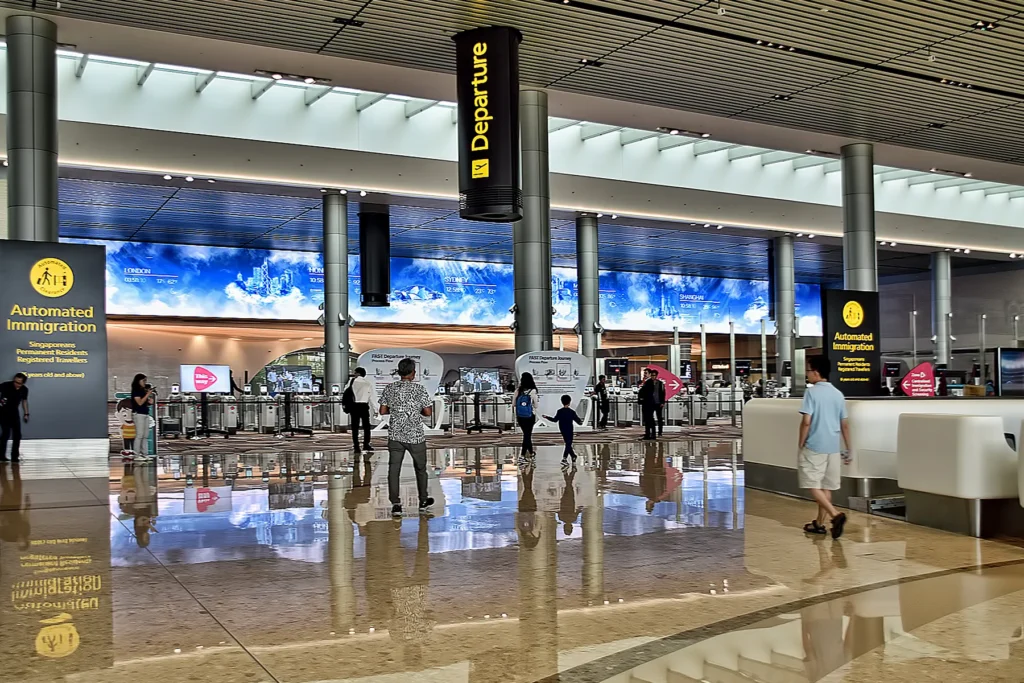 Changi Airport Terminal 4 (Open House); Photo- Choo Yut Shing | Flickr
4. Singapore Changi Airport
Singapore Changi Airport remains a global reference point for customer experience, and in 2025, it continues to raise expectations rather than rest on its reputation.
Every interaction, from immigration clearance to gate boarding, feels deliberately designed to minimise effort for passengers. Automated systems operate seamlessly alongside highly attentive staff, ensuring technology enhances rather than replaces human service.
Changi’s terminals offer exceptional comfort, with abundant seating, quiet rest areas, and a dining selection that rivals city centres. The integration of nature, art, and entertainment transforms time spent at the airport into an experience rather than a wait.
Transport connectivity to the city is effortless via MRT, taxis, and private transfers. Changi’s strength lies in consistency, delivering excellence regardless of travel class or destination.
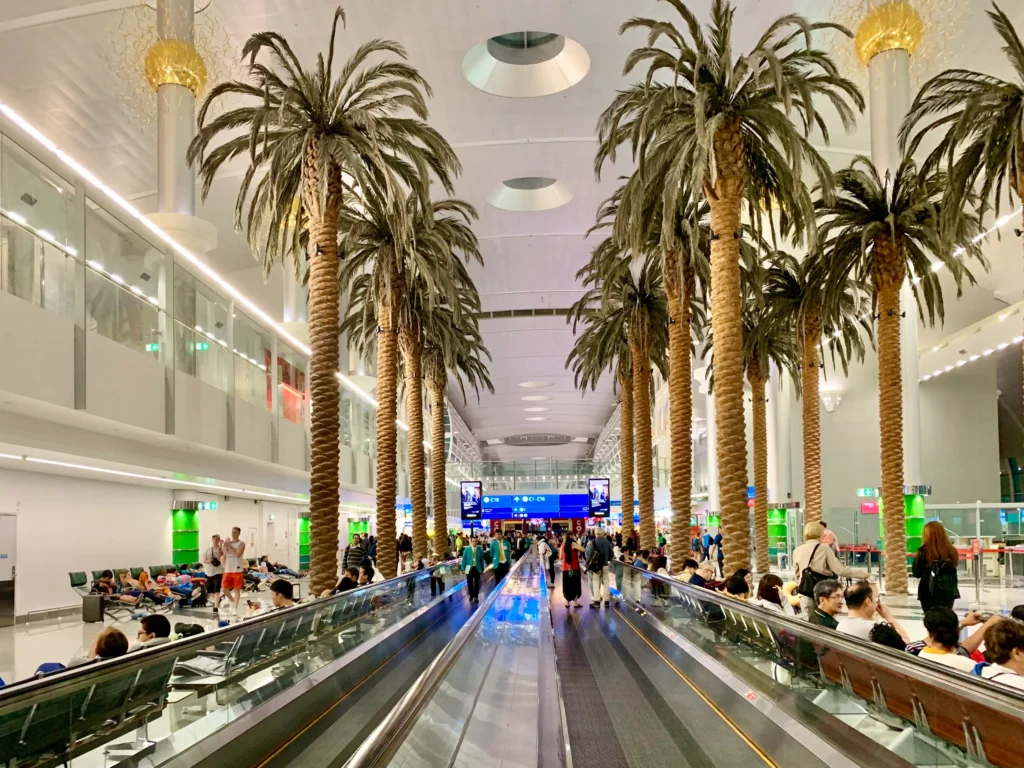 Dubai International Airport; Photo- Kgbo; Wikimedia Commons
5. Dubai International Airport
Dubai International Airport continues to excel at handling immense passenger volumes while maintaining a polished, premium customer experience. In 2025, its strength lies in efficiency at scale, with fast-moving security, clear terminal zoning, and extensive staff support across all passenger touchpoints.
Premium travellers benefit from world-class lounges, while economy passengers still enjoy strong retail, dining, and relaxation options. Digital displays and multilingual assistance help passengers navigate the airport with confidence, even during peak transit hours.
Connectivity to the city is exceptional via metro, taxis, and private transfers. Dubai International’s customer experience reflects the city itself: fast-paced, ambitious, and designed to impress without sacrificing operational reliability.
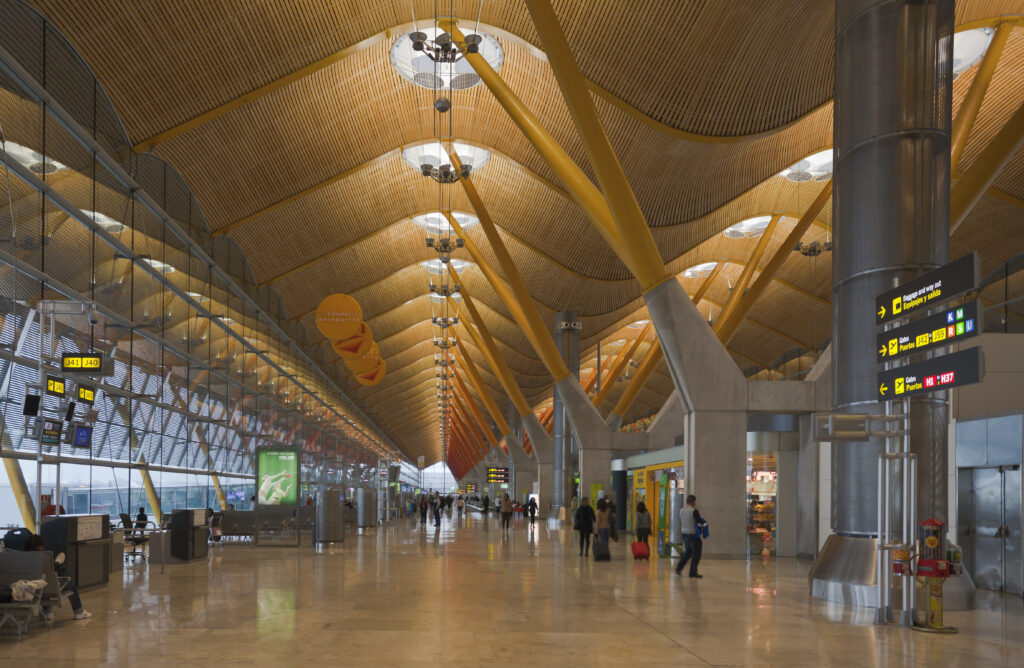 Photo: Diego Delso Copyright: CC-BY-SA 3.0
6. Hartsfield-Jackson Atlanta International Airport
Hartsfield-Jackson Atlanta International Airport stands out in 2025 for delivering consistency across one of the world’s busiest aviation hubs.
Despite its enormous scale, the passenger journey remains remarkably predictable, which is a key component of positive customer experience. Clear signage, reliable train connections between concourses, and efficient security operations help keep stress levels low.
Customer service teams are well-trained and visible, particularly in assisting passengers during tight connections. Dining and retail offerings are diverse, reflecting Atlanta’s cultural identity alongside national brands.
Transport links into the city are among the best in North America, with direct rail access and well-managed road connections. Atlanta proves that volume and customer care do not have to be mutually exclusive.
 Photo- iGA Istanbul Airport
7. iGA Istanbul Airport
iGA Istanbul Airport has rapidly established itself as a leader in customer experience through scale combined with thoughtful design. The terminal’s vast spaces are balanced by logical layouts, strong wayfinding, and frequent assistance points that help passengers navigate with ease.
In 2025, the airport continues to refine transfer processes, making long-haul connections smoother and more intuitive. Retail and dining options are extensive, with a strong emphasis on Turkish hospitality and cuisine. Lounge offerings are particularly well regarded for comfort and service quality.
Connectivity to the city has improved steadily, with road links and expanding rail options. Istanbul Airport delivers a sense of grandeur while remaining surprisingly passenger-friendly.
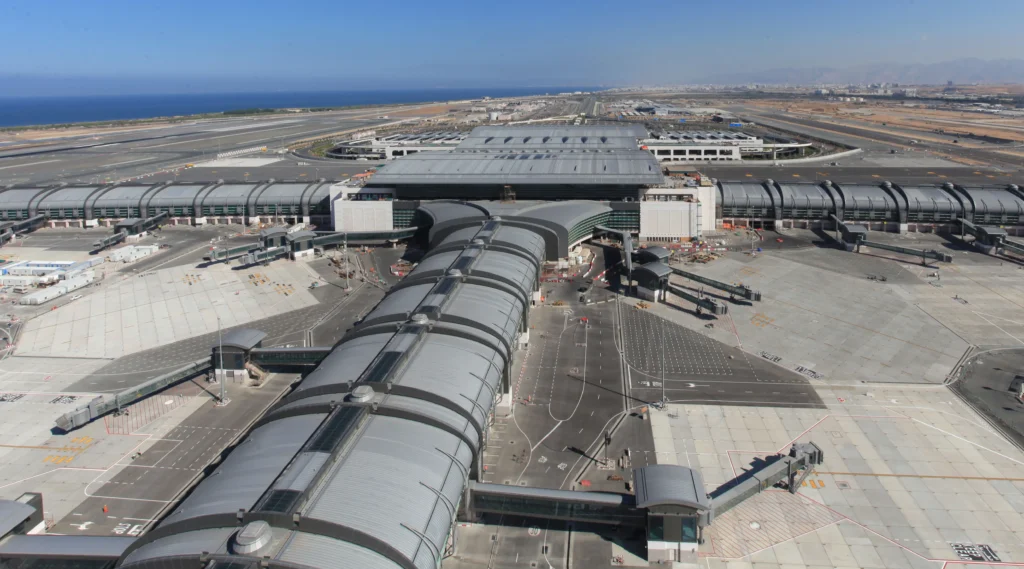 Photo: Muscat Airport
8. Muscat International Airport
Muscat International Airport earns recognition for its calm, dignified approach to customer experience. The terminal design emphasises space, natural light, and uncluttered movement, creating an atmosphere that feels composed rather than hectic. Processes such as immigration and security are handled efficiently, often with a notably personal touch from staff.
Retail and dining options are curated rather than overwhelming, reflecting local culture and international standards in equal measure.
Seating areas are comfortable, and the airport remains notably quiet even during busy periods. Ground transport into Muscat is straightforward via taxis and private transfers. Muscat Airport’s strength lies in its understated elegance and consistent service quality.
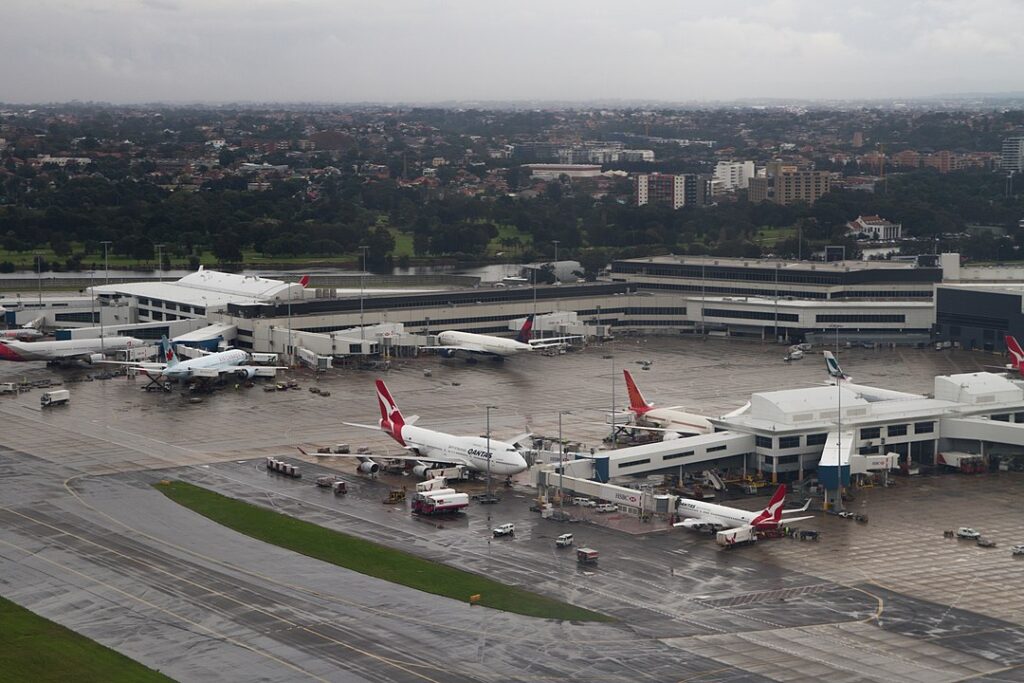 Photo: By m – Own work, CC BY-SA 4.0, https://commons.wikimedia.org/w/index.php?curid=44931678
9. Sydney Airport
Sydney Airport remains a strong performer in customer experience, particularly through its emphasis on clarity and passenger flow. Terminal layouts are logical, and recent improvements to security and immigration processes have reduced congestion during busy international arrival periods.
Customer service teams are proactive, offering assistance before issues escalate, which significantly improves overall passenger perception. Dining and retail reflect both Australian brands and international expectations, while seating and relaxation zones have expanded.
Connectivity to the city is reliable via train, taxis, and road links. Sydney Airport delivers a balanced experience that prioritises functionality without losing its sense of place.
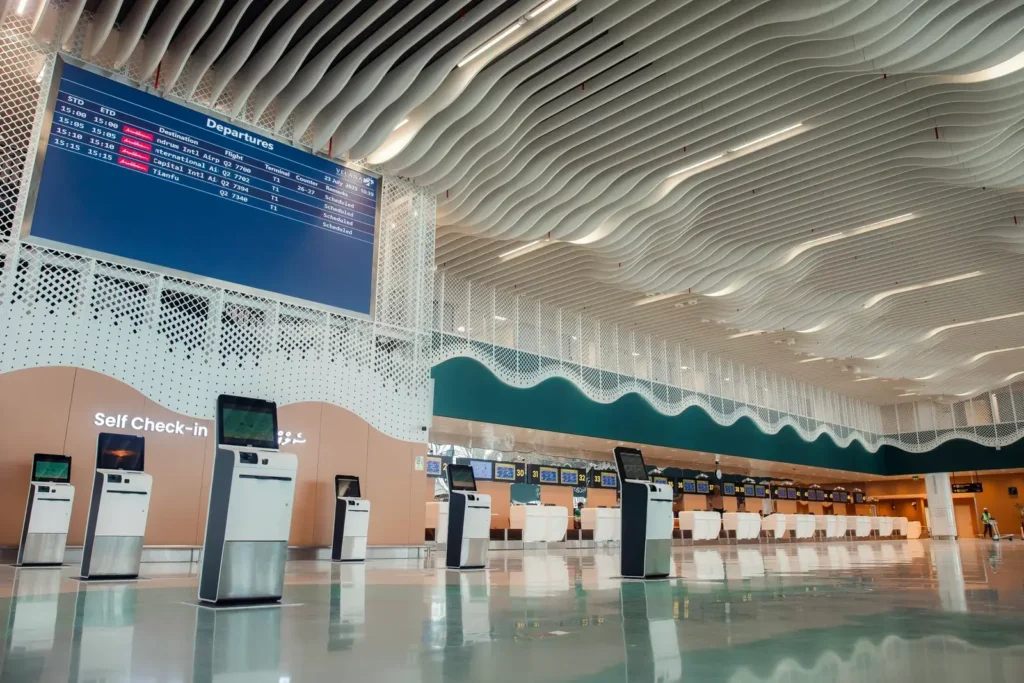 Photo: Maldives
10. Velana International Airport
Velana International Airport provides a customer experience unlike almost any other, shaped by its role as the gateway to the Maldives’ resort islands. In 2025, the airport excels at managing complex onward connections involving seaplanes and speedboats, with staff guiding passengers smoothly through transitions.
Facilities are clean, bright, and purpose-built for leisure travellers, with clear information desks and waiting areas. While retail and dining remain limited compared to major hubs, service levels compensate significantly.
Ground and sea transport coordination is the airport’s defining strength. Velana Airport’s customer experience is centred on reassurance, ensuring travellers begin their holiday feeling supported and relaxed.
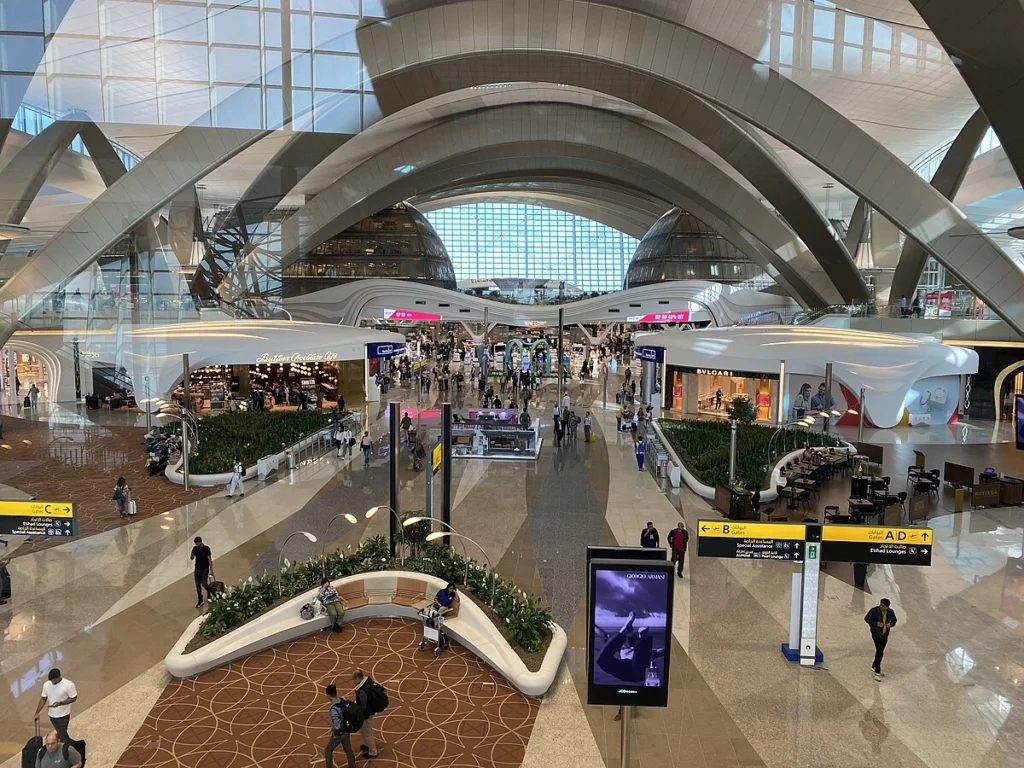
11. Zayed International Airport, Abu Dhabi
Zayed International Airport has quickly emerged as a customer experience leader through its combination of striking architecture and intuitive passenger design. The terminal feels spacious without being overwhelming, and passenger flows are carefully managed to avoid bottlenecks.
Service quality is a standout feature, with well-trained staff providing clear guidance at every stage of the journey. Retail and dining are premium-leaning but accessible, catering to both transit and origin-destination passengers.
Connectivity to Abu Dhabi is seamless via road links and dedicated transport services. Zayed International Airport delivers a refined, forward-looking experience that reflects Abu Dhabi’s broader ambitions.
Bottom Line
The Leading Airports for Customer Experience in 2025 demonstrate that true excellence lies in consistency, empathy, and intelligent design. Whether operating at a massive global scale or serving niche leisure markets, these airports succeed by understanding passenger needs and reducing friction at every turn. Together, they set the global standard for how airports should feel in an increasingly complex travel environment.
Source: Aviationa2z